Business Waste Removal in Queens Park

In the bustling area of Queens Park, businesses are thriving and expanding. However, with growth comes the challenge of managing waste effectively. Business waste removal is not just a necessity but a responsibility that every company must undertake to maintain a clean and sustainable environment.
Efficient waste management systems are essential for commercial establishments to operate smoothly. They help in reducing clutter, minimizing environmental impact, and ensuring compliance with local regulations. In this article, we will delve into the various aspects of business waste removal in Queens Park, providing insights and tips to help your business stay clean and green.
Queens Park offers a variety of waste removal services tailored to meet the unique needs of different businesses. Whether you run a small office or a large industrial facility, there are solutions available that can cater to your specific requirements. Understanding these services can help you make informed decisions about your waste management strategy.

The Importance of Effective Waste Removal
Effective waste removal is crucial for several reasons. Firstly, it ensures that your business environment remains clean and organized. A clutter-free workspace not only enhances productivity but also creates a positive impression on clients and visitors.
Secondly, proper waste management is essential for environmental sustainability. By disposing of waste responsibly, businesses contribute to the reduction of pollution and the conservation of natural resources. This aligns with global efforts to combat climate change and promote green practices.
Furthermore, adhering to waste disposal regulations helps businesses avoid legal penalties and reputational damage. Non-compliance can result in hefty fines and a tarnished image, which can be detrimental to a company's success.
Types of Business Waste
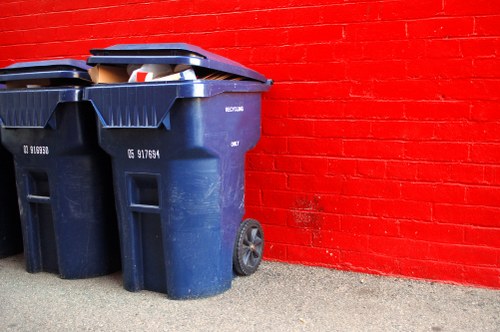
Businesses generate various types of waste, each requiring specific handling and disposal methods. Understanding the different categories of waste is the first step in developing an effective waste removal plan.
1. General Waste
General waste includes everyday items that are not recyclable or hazardous. This can range from paper and packaging materials to broken office equipment.
2. Recyclable Waste
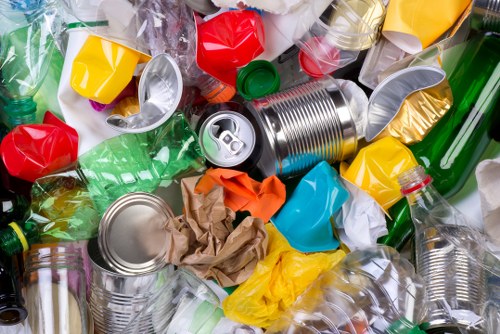
Recyclable waste consists of materials that can be processed and reused, such as plastics, glass, metals, and certain types of paper. Proper recycling can significantly reduce the amount of waste sent to landfills.
3. Hazardous Waste
Hazardous waste includes substances that are dangerous or potentially harmful, like chemicals, batteries, and electronic waste. These require special handling and disposal procedures to prevent environmental contamination.
Choosing the Right Waste Removal Service
Selecting the appropriate waste removal service is vital for ensuring efficient and compliant waste management. Here are some factors to consider when making your choice:
- Service Range: Ensure the provider offers a comprehensive range of services that match your waste disposal needs.
- Reputation: Look for companies with positive reviews and a proven track record in the industry.
- Compliance: The service provider should adhere to all local and national waste disposal regulations.
- Cost: Compare pricing structures to find a service that offers value for money without compromising on quality.
By carefully evaluating these factors, businesses in Queens Park can partner with reliable waste removal services that support their operational and environmental goals.
Benefits of Professional Waste Removal
Engaging professional waste removal services offers numerous advantages for businesses. Here are some of the key benefits:
- Efficiency: Professional services are equipped with the right tools and expertise to handle waste swiftly and effectively.
- Compliance: They ensure that all waste is disposed of in accordance with regulatory standards, minimizing the risk of legal issues.
- Cost-Effective: Outsourcing waste management can reduce costs associated with in-house disposal methods and equipment maintenance.
- Environmental Responsibility: Professional services often incorporate eco-friendly practices, such as recycling and reducing landfill waste.
These benefits not only enhance business operations but also contribute to a greener and healthier community in Queens Park.
Implementing an Effective Waste Removal Plan
To maximize the benefits of waste removal services, businesses should implement a strategic waste management plan. Here are steps to create an effective plan:
1. Assess Your Waste Generation
Begin by evaluating the types and quantities of waste your business produces. This assessment will help determine the appropriate services and resources needed.
2. Set Clear Objectives
Define your waste management goals, such as reducing waste by a certain percentage or increasing recycling rates. Clear objectives provide direction and measurable outcomes.
3. Choose the Right Service Provider
Select a waste removal service that aligns with your objectives and can accommodate your specific waste types and volumes.
4. Train Your Staff
Educate employees on proper waste segregation and handling procedures. Effective training ensures that waste is managed correctly from the source.
5. Monitor and Review
Regularly monitor waste management practices and review the plan's effectiveness. Make necessary adjustments to improve performance and achieve your goals.
Sustainability and Waste Reduction
Incorporating sustainability into your waste management plan is essential for long-term environmental impact. Here are some strategies to promote sustainability:
- Reduce: Minimize waste generation by streamlining processes and eliminating unnecessary materials.
- Reuse: Encourage the reuse of materials and products whenever possible to extend their lifecycle.
- Recycle: Implement comprehensive recycling programs to ensure that recyclable materials are properly processed.
By adopting these strategies, businesses can significantly reduce their environmental footprint and contribute to a more sustainable future.
Innovative Technologies in Waste Management
Advancements in technology have revolutionized waste management practices. Innovative solutions such as automated sorting systems, waste-to-energy technologies, and digital tracking systems enhance efficiency and sustainability.
These technologies not only improve the accuracy and speed of waste processing but also provide valuable data for optimizing waste management strategies. Staying updated with the latest technological trends can give businesses a competitive edge in waste management.
Cost Management in Waste Removal
Managing costs associated with waste removal is a critical aspect for businesses. Here are some tips to optimize waste management expenses:
1. **Optimize Waste Volume:** Reducing the amount of waste generated directly impacts disposal costs. Implementing waste reduction strategies can lead to significant savings.
2. **Choose the Right Service Plan:** Select a service plan that matches your waste generation patterns. Avoid overpaying for unnecessary services or underpaying and risking non-compliance.
3. **Invest in Recycling:** Recycling can offset costs by reducing the volume of waste that needs to be disposed of. Additionally, some recycling programs offer incentives or refunds for recyclable materials.
Regulatory Compliance
Compliance with waste disposal regulations is non-negotiable for businesses. Failure to adhere to these laws can result in severe penalties and damage to your company's reputation.
Queens Park businesses must be aware of local, state, and federal regulations governing waste management. Partnering with a reputable waste removal service ensures that all waste is handled in accordance with these regulations.
Environmental Regulations
Environmental laws are designed to protect natural resources and public health. Businesses must comply with regulations related to hazardous waste disposal, recycling mandates, and emissions standards.
Health and Safety Standards
Proper waste management is also vital for maintaining a safe workplace. Adhering to health and safety standards prevents accidents and promotes a healthy working environment.
Community Impact of Business Waste Removal
Effective business waste removal extends beyond individual companies, positively impacting the entire community. Here’s how:
1. **Cleaner Environment:** Proper waste disposal reduces pollution and keeps public spaces clean, enhancing the overall quality of life.
2. **Public Health:** Responsible waste management minimizes the spread of diseases and prevents environmental hazards that can affect public health.
3. **Economic Benefits:** Efficient waste management can create jobs and stimulate the local economy by supporting recycling industries and waste processing facilities.
Corporate Social Responsibility (CSR)
Engaging in sustainable waste management practices is a significant aspect of Corporate Social Responsibility. Businesses that prioritize waste removal demonstrate their commitment to social and environmental stewardship, which can enhance their brand image and build trust with stakeholders.
Community Engagement
Businesses can further contribute to community well-being by participating in local clean-up initiatives and supporting environmental education programs. Such engagements foster a sense of community and collective responsibility towards maintaining a clean and healthy environment.
Long-Term Sustainability
Investing in sustainable waste management practices ensures the long-term viability of both the business and the community. It promotes the responsible use of resources and supports the transition to a circular economy where waste is minimized, and materials are continuously reused.
Choosing a Sustainable Waste Removal Partner
When selecting a waste removal service, prioritize sustainability. Here are qualities to look for in a sustainable waste removal partner:
- Eco-Friendly Practices: The company should implement green practices, such as recycling, composting, and using energy-efficient vehicles.
- Certifications: Look for certifications that demonstrate the company's commitment to environmental standards, such as ISO 14001.
- Transparent Reporting: A reputable service provider should offer transparent reporting on waste management activities and environmental impact.
- Innovative Solutions: Companies that invest in the latest waste management technologies are better equipped to handle diverse waste streams efficiently.
Partnering with a sustainable waste removal service not only benefits the environment but also enhances your company's reputation as a responsible and forward-thinking organization.
Case Studies: Successful Waste Management in Queens Park
Several businesses in Queens Park have successfully implemented effective waste removal strategies. Here are a few examples:
Company A: Zero Waste Initiative
Company A adopted a zero-waste policy, aiming to eliminate all non-recyclable waste from their operations. By partnering with a dedicated waste removal service, they achieved a 90% recycling rate and significantly reduced their landfill contributions.
Company B: Sustainable Packaging
Company B transitioned to sustainable packaging materials and worked closely with their waste removal provider to ensure proper disposal and recycling of packaging waste. This change not only reduced their environmental footprint but also attracted eco-conscious customers.
Lessons Learned
These case studies highlight the importance of strategic planning, collaboration with reliable waste removal services, and a commitment to sustainability. Businesses can draw inspiration from these examples to enhance their own waste management practices.
Future Trends in Business Waste Removal
The landscape of business waste removal is continually evolving, with several trends shaping its future:
1. **Increased Automation:** Automation in waste sorting and processing will enhance efficiency and accuracy, reducing reliance on manual labor.
2. **Circular Economy Models:** Businesses will increasingly adopt circular economy principles, focusing on reducing waste and reusing materials to create a closed-loop system.
3. **Advanced Recycling Technologies:** Innovations in recycling technologies will enable the processing of a broader range of materials, making recycling more effective and versatile.
4. **Digital Waste Tracking:** Digital platforms will provide real-time tracking and reporting of waste management activities, improving transparency and accountability.
Staying abreast of these trends will help businesses in Queens Park adapt and optimize their waste management strategies for the future.
Embracing Change
Adaptability is key to effective waste management. Businesses must be willing to embrace new technologies and practices to stay ahead in the industry. Continuous improvement and innovation will drive the success of waste removal initiatives.
Collaborative Efforts
Collaboration between businesses, waste removal services, and the community is essential for achieving sustainable waste management goals. By working together, stakeholders can share resources, knowledge, and best practices to create a more efficient and impactful waste management system.
Conclusion
Business waste removal in Queens Park is a vital component of sustainable and responsible business operations. By understanding the importance of effective waste management, choosing the right service provider, and implementing strategic plans, businesses can contribute to a cleaner environment and a thriving community.
Embrace sustainable practices, stay informed about future trends, and collaborate with reliable waste removal partners to ensure your business remains compliant, efficient, and environmentally friendly.
Ready to Transform Your Waste Management?
Don't wait any longer to implement an effective waste removal strategy for your business in Queens Park. Contact us today to learn more about our comprehensive waste removal services and how we can help your business thrive sustainably.
