Business Waste Removal in Queens Park
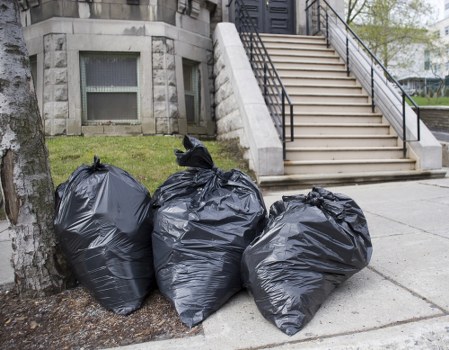
Business waste removal in Queens Park needs a practical, orderly service that keeps commercial premises moving without unnecessary disruption. Our work focuses on collecting and removing everyday office and trade waste, then directing it through the right handling route for the material involved. That can include mixed general waste, recyclable office contents, and other non-hazardous business rubbish generated through routine operations, clear-outs or refits. The aim is straightforward: clear the waste, leave the area tidy, and make the next step easier for the business.
For many organisations, waste builds up in more than one place. Storerooms, back-of-house areas, meeting rooms and reception spaces can all collect items that are no longer needed. We can support planned clearances and one-off removals, with an approach that suits the type of waste and the access available. If you need a quotation, send the details of the items and the collection point, then use the site pages below to find the service that best matches your job.
Supported commercial waste work is about removing the right material efficiently and handling it in a way that makes sense for the premises. In practice, that means separating suitable loads where possible, understanding what is reusable or recyclable, and avoiding unnecessary disturbance to the workspace. For larger or more varied loads, a clear description helps us plan the collection around the access, the volume and the type of waste involved.
Office and workplace clearance
Office waste removal is often more than a simple bag collection. Businesses may need unwanted desks, chairs, filing materials, archive boxes, packaging and general office rubbish removed at the same time, especially when a room is being reorganised or vacated. A considered clearance makes it easier to recover floor space, keep walkways open and prepare an area for normal use, refurbishment or handover.
Useful planning information is usually basic rather than complicated. A short note about the waste type, the floors involved and the ease of access is often enough to shape the quotation. If there are heavier items, limited loading access or shared building rules, those details help keep the collection efficient. Pricing and quotes can vary by item type, volume and lifting requirements, so it is sensible to keep the description specific and practical.
Typical office clearances may include old furniture, boxed stationery, redundant small equipment and mixed rubbish from a de-clutter. When a business is changing layout or closing a room, the load can be split into reusable furniture, recyclable material and general waste. The most useful outcome is a collection that is proportionate to the job, keeps disruption low and leaves the business with a clean starting point.
Furniture disposal for business premises
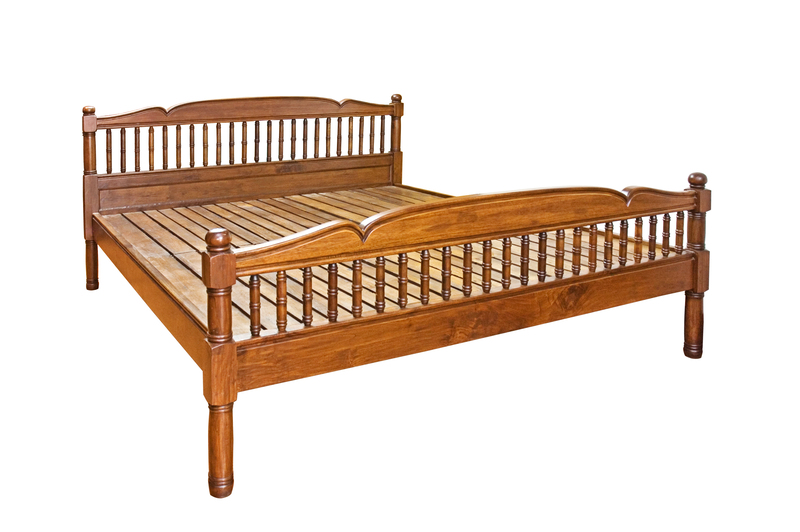
Furniture disposal matters when seating, desks, cabinets or shelves are no longer fit for the workspace. Commercial premises often need bulkier items removed carefully so that corridors, lifts and stairs are not blocked for longer than necessary. Good planning also helps protect walls, floor coverings and nearby fittings while the items are moved out of the room or building.
Where furniture is being replaced, it helps to identify what is staying, what is being removed and whether the pieces need dismantling first. That is especially useful with office systems furniture, larger storage units or mixed items from several rooms. For businesses interested in what happens after collection, our recycling and sustainability information sets out how suitable materials are handled within the wider waste process.
Some items are awkward rather than complicated. A heavy cabinet may need two people, while a reception unit may need careful turning in a narrow corridor. The practical question is not simply size, but how the object leaves the building without causing avoidable damage or delay. Clear item lists and accurate photos can help the quotation reflect the actual work involved.
Mixed waste and light refurbishment clear-ups
Not every business job is a single-category collection. Many premises generate mixed waste during small refurbishments, room resets, or periodic decluttering, and that can bring together packaging, offcuts, redundant fixtures and general rubbish. In those situations, the collection is most useful when the load is described clearly enough to separate what can be handled together from anything that needs a different route.
For jobs involving a wider mix, it is sensible to note whether the waste is loose, bagged, boxed or stacked, and whether it is on one floor or spread across several rooms. If you are preparing a quotation request, these small details help us keep the service accurate. You can also view our business waste removal service for a broader overview of the main commercial collection work we handle.
A clear mixed-waste plan saves time on the day because the collection team knows what to expect before arriving. That may be especially useful for occupied workplaces where access routes need to stay open and normal activity has to continue nearby. The more closely the waste description matches the actual load, the easier it is to set out a sensible collection approach.
Domestic-style clearances for business premises
Some commercial addresses generate waste that is closer to a household-style clearance, such as furniture, boxes, old storage items or accumulated loose material from a back room. In these cases, the useful service is still a business collection, but the contents may resemble a flat, house or garage clear-out rather than a standard office bag sweep. That variation matters because the item mix can affect labour and sorting.
If the premises include upstairs storage, basement rooms or separated back-of-house areas, it helps to say where the waste sits and how it can be reached. That information supports an accurate price and avoids guesswork. For businesses with varied waste across the site, our flat clearance page gives a sense of the type of clearance work that can overlap with commercial removals when the load is more domestic in character.
Some collections involve a straightforward run through one room; others need a more measured approach because items are spread out or need checking before removal. In either case, the objective is to clear the right material, preserve usable access and keep the business premises as orderly as possible during the work.
Furniture and appliance items that need careful handling
Commercial waste does not only consist of loose rubbish. It can also include furniture and appliance items that need steadier handling, especially where the pieces are bulky, weighted or awkwardly shaped. A service built around removal rather than disposal alone is useful because it considers both the lifting and the route out of the premises, not just the final destination of the waste.
Where relevant, we can also deal with items that are no longer needed after an office reset, break-room change or storage clear-out. If a load includes both furniture and other discarded items, it is often best to list them together so the quotation reflects the full scope. Useful supporting pages include furniture disposal and fridge and appliance removal for businesses that need those item types handled separately.
Practical removal work depends on access, weight, item condition and the surrounding space. A dismantled item may be easier to move than a fully assembled one, but the work still needs to be planned around stairs, tight corners or restricted loading points. A good description of the load makes it easier to match the collection to the real conditions on site.
Preparing a quotation for your premises
When you request a quotation, the most helpful details are the type of waste, the approximate volume, the floor or room it is in, and any access issues that could affect removal. You do not need a long explanation. A few accurate notes are normally enough to show whether the job is a straightforward collection or something that needs more labour, sorting or lifting. If the premises have specific restrictions, mention them clearly.
It also helps to state whether the items are ready to go or whether they still need gathering, bagging, stacking or minor dismantling. That keeps the estimate closer to the work that will actually be carried out. For customers who want to compare options or find a route into the booking process, the book online page is available alongside the main service pages. If you prefer to talk through the job first, a plain text enquiry is perfectly suitable too.
Good quotation details usually include the waste type, access route, any lifting difficulties and whether there are multiple collection points. A brief list is often better than a vague summary because it gives a clearer picture of the job and helps avoid unnecessary back-and-forth before the collection is arranged.
About Queens Park
Queens Park is an area in north-west London that takes its name from the park at its centre and from the surrounding neighbourhoods that grew around it. The area is associated with the London Boroughs of Brent and Westminster, with a mix of residential streets, local shopping parades and transport connections that link it to wider parts of the city. The original Queen's Park green space was created in the late nineteenth century and remains one of the most recognisable features of the district. Its open lawns, sports facilities and mature planting give the area a strong sense of place within a densely built part of London. Around it, terraced housing and mansion blocks reflect different phases of urban development, while nearby streets show the ordinary pattern of London growth shaped by railways, housing demand and local retail. The neighbourhood also has a cultural character of its own, with community venues, cafés and everyday services contributing to a lively but settled atmosphere. Queens Park station provides both London Overground and Bakerloo line connections, which has long helped the district function as a convenient residential and local-centre location. The area is close to other well-known parts of north-west London, yet it retains its own identity through the park, the streets around Salusbury Road and the mix of architecture that ranges from Victorian and Edwardian homes to later apartment buildings. As a result, Queens Park is understood as a compact urban district with a recognisable centre, a layered built environment and a public green space that continues to anchor local life.
Business waste for shops, studios and shared premises

Not all business waste comes from traditional offices. Retail units, studios, workshops and shared premises often produce a mixed load of packaging, broken fittings, obsolete stock, offcuts and general rubbish. The right removal approach keeps those items moving out of the way without forcing the business to pause longer than necessary. For some premises, the work may be tied to stock changes; for others, it may follow a fit-out or a tidy-up after routine operations.
Where a business operates in shared accommodation, it is useful to be precise about which area the waste comes from and whether access needs to be arranged around other occupants. That helps keep the collection orderly and avoids confusion at arrival. Businesses wanting a wider view of the available work can use the waste removal page as a general starting point, especially when the load combines more than one category of material.
Shared-premises jobs often benefit from a simple, practical handover: what is going, where it is located, and whether anything needs separating before removal. That keeps the collection focused on the waste itself rather than on avoidable sorting at the door. It is usually the clearest way to keep time on site sensible and the workspace usable.
Sorting, recycling and responsible handling
Commercial waste removal works best when the load is handled with care for both the premises and the material itself. Some items are suitable for reuse or recycling, while others are ordinary general waste. The practical task is to identify the difference as far as possible before the collection, then route the material appropriately after it leaves the site. That is one reason a full description of the load is better than a quick guess.
Businesses that want to understand the wider handling approach can look at our recycling and sustainability page alongside the main service information. For a few items, there may also be a more specific route depending on their type and condition. Where a material is unusual, heavy or potentially restricted, it is better to flag that before booking so the collection can be assessed properly rather than treated as a standard load.
Responsible handling is not just about where waste ends up. It also includes the stage before collection, when the item mix is checked and the job is described accurately. That stage is especially important for businesses because a vague list can lead to the wrong service being matched to the waste, which is avoidable with a clear initial note.
Useful service pages and next steps
If your premises have a more specific need, a dedicated service page can make it easier to describe the job. For example, larger room resets may lead into office clearance, while storage-heavy spaces often overlap with garage clearance or loft clearance style work. Those pages help distinguish between different kinds of waste, the type of access involved and the likely shape of the collection.
Other useful options include house clearance for broader contents removal, home clearance where a mixed load needs handling in one visit, and builders waste clearance for post-work debris from refurbishments. If your business needs confidential paper handling, the confidential shredding page may also be relevant for secure document disposal alongside general removal work.
To arrange a quotation, send a clear description of the items, the location within the premises and any access details that could affect the collection. You can then decide whether the job is best described as business waste removal, furniture disposal or a more specific clearance. If you are ready to move forward, please request a quotation today.