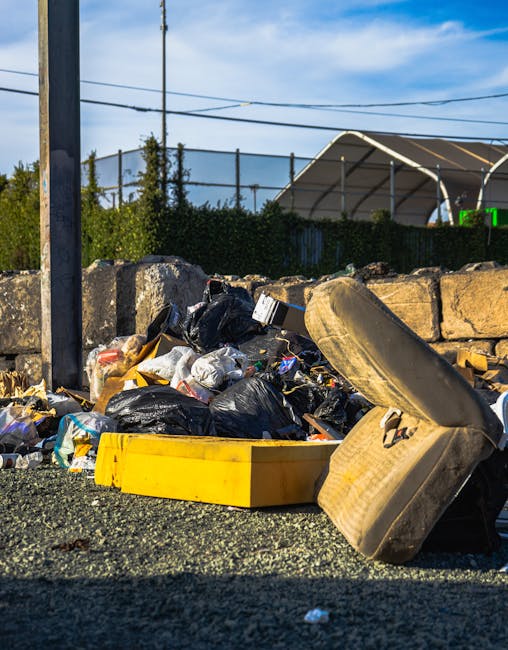
NW6 garden waste and bulky rubbish removal near Queens Park
If your garden has got a little out of hand, or a pile of bulky rubbish is taking over the side return, you are not alone. In NW6, space is precious, access can be awkward, and a small clear-up can quickly become a much bigger job than it first looked. This guide to NW6 garden waste and bulky rubbish removal near Queens Park explains what counts as garden waste, how bulky items are removed, what to watch out for, and how to choose a service that feels straightforward rather than stressful.
Whether you are clearing hedge cuttings after a weekend tidy-up, disposing of old outdoor furniture, or dealing with a proper end-of-tenancy mess, the aim is the same: get the area clear safely, sensibly, and without creating extra hassle. Let's face it, nobody wants a half-finished pile of branches sitting there for another week.
Contents
- Why NW6 garden waste and bulky rubbish removal near Queens Park matters
- How NW6 garden waste and bulky rubbish removal near Queens Park works
- Key benefits and practical advantages
- Who this is for and when it makes sense
- Step-by-step guidance
- Expert tips for better results
- Common mistakes to avoid
- Tools, resources and recommendations
- Law, compliance, standards, or best practice
- Options, methods, or comparison table
- Case study or real-world example
- Practical checklist
- Conclusion
- Frequently asked questions
Why NW6 garden waste and bulky rubbish removal near Queens Park matters
In Queens Park and the wider NW6 area, homes often work harder than the space allows. A small front garden can become a storage spot for pruning offcuts, broken planters, soil bags, old fencing, and the occasional "I'll deal with that later" item. Bulky rubbish has a similar habit of creeping in through the back door: a damaged wardrobe, a sagging sofa, or a dismantled bed frame that is too large for a normal bin lift.
Garden waste and bulky rubbish are often treated differently because they behave differently. Green waste is usually light but awkward in volume. Bulky household items are heavy, rigid, and difficult to manoeuvre through narrow hallways or tight stairwells. Put the two together and you can end up with a job that is messy, time-consuming, and a bit more physical than expected.
Why does that matter? Because a poor clearance job can affect more than the look of your property. It can block access, attract pests, create trip hazards, and make an otherwise decent outdoor space feel unusable. If you are preparing for a sale, a rental inspection, or just want to enjoy your own garden again, clearing it properly is one of those jobs that pays you back immediately.
There is also the local reality. In NW6, parking, kerb access, and shared entrances can make skip-based or self-managed disposal awkward. You do not always want a skip sat outside for days, especially if you only need a one-off load removed. A flexible removal approach often makes more sense than turning the street into a temporary building site. Not glamorous, but practical.
Expert summary: The best garden waste and bulky rubbish removal is not just about lifting items away. It is about sorting the material, protecting access routes, and leaving the space genuinely usable at the end.
If you want a broader look at household and property clearance options, it can help to compare related services such as garden clearance, furniture disposal, and full waste removal support.
How NW6 garden waste and bulky rubbish removal near Queens Park works
The process is usually simpler than people expect. A good removal service will ask what needs collecting, where it is located, and whether anything needs special handling. That might sound basic, but it is the difference between a smooth visit and a frustrating one. You would be surprised how often a team arrives to discover the access is through a side gate that barely opens. The more accurate the job description, the better the outcome.
For garden waste, removal usually involves collecting materials such as grass cuttings, hedge trimmings, branches, leaves, weeds, small roots, broken pots, and bags of soil or compost. Bulky rubbish tends to include items that are too large for ordinary household disposal: sofas, wardrobes, tables, mattresses, sheds in pieces, garden benches, broken bikes, or old shelving. Some items are straightforward; some need a bit of judgement.
In practical terms, the team may sort items on site, load them safely, and separate recyclable material where possible. That sorting matters more than people think. Clean timber, metal frames, untreated green waste, and reusable items do not always belong in the same stream. If a provider is thoughtful about recycling, you usually notice it in how they ask questions before the visit, not just in what they say afterwards.
For a full clearance in the home or outbuildings, services such as house clearance, garage clearance, and loft clearance can be useful where the rubbish is not limited to the garden.
Typical visits follow a simple pattern:
- You explain what needs removing.
- The team confirms what can be taken and any access details.
- A quote is provided, usually based on volume, type of waste, or both.
- The collection is carried out, often with loading included.
- The waste is taken away for sorting, recycling, or disposal.
It sounds unexciting. That is sort of the point. The best service feels calm, efficient, and uneventful.
Key benefits and practical advantages
There are some obvious benefits to booking removal help, but a few less obvious ones matter just as much. The most immediate is time. What might take you an entire Saturday, several trips, and a borrowed van can often be handled in a single visit. That alone is enough for many people.
Another major advantage is safety. Wet branches, sharp broken plastic, rusty metal edges, and heavy furniture all come with a risk of strain or injury. Clearing them in a rush is how people end up with a sore back by Sunday evening. Not ideal, really.
There is also the matter of presentation. A tidy garden feels larger, calmer, and better cared for. If you are getting ready for guests, photos, or a tenancy handover, removing clutter can transform the space with very little fuss. The same applies to bulky indoor items that are making a room look smaller than it is.
Other practical advantages include:
- Better access: paths, gates, and entrances become easier to use.
- Cleaner boundaries: no piles of waste sitting out in rain or wind.
- More usable space: lawns, patios, sheds, and side returns feel functional again.
- Less stress: no need to worry about a van, skip permit questions, or repeated trips.
- Improved sorting: reusable and recyclable materials are easier to separate when a trained team handles the job.
If you are comparing options and want to keep an eye on value, it is sensible to look at pricing and quotes alongside the actual scope of work. The cheapest quote is not always the best one, especially if access is tight or the waste mix is varied.
Who this is for and when it makes sense
This kind of removal service suits a lot of different situations. Homeowners use it after garden jobs, renovation work, or a long-overdue declutter. Landlords and letting agents often need it between tenancies, especially when outdoor areas have been left with plant waste, broken furniture, or a few mystery objects no one claims to own.
Tradespeople and gardeners may also need a one-off clearance after a larger job. If you have cut back overgrown hedges or dismantled old timber structures, it is often easier to have the waste taken away in one go. And if you are already dealing with renovation debris, it can make sense to look at builders waste clearance as well.
It also makes sense for people in flats with shared gardens, side access, or limited storage. In those settings, garden waste can build up quickly because there is nowhere convenient to keep it while you wait for council collection dates. Bulky rubbish has the same problem, only louder and more awkward.
Ask yourself a simple question: would it take more time and effort to move, sort, and dispose of the waste yourself than to have it removed in one visit? If the answer is yes, professional help is probably the practical choice.
For people clearing a whole property rather than just one area, home clearance can be a better fit. If the job is mainly office-related, there is also office clearance for business premises and workspaces.
Step-by-step guidance
If you want the job to go smoothly, it helps to prepare a little before collection day. Not a huge amount. Just enough to avoid the usual last-minute scramble.
1. Identify what really needs to go
Walk through the garden and the areas where bulky items have been stored. Separate obvious green waste from general rubbish, and check whether anything is still reusable. A broken chair is rubbish; a sturdy one with only a loose screw may just need repair. A bit of honest judgement saves time.
2. Group items by type
Keep branches together, bags of leaves together, and furniture or large household items in a separate area if possible. This makes loading faster and helps the crew work safely. If materials are mixed together in one messy heap, that is when simple jobs start to drag.
3. Check access routes
Open gates, move cars if needed, and make sure the team can get close enough to load efficiently. In NW6, a few extra metres can matter. Narrow passageways and shared driveways are manageable, but only if everyone knows what to expect.
4. Flag anything unusual
If there is a broken fridge, old paint, sharp metal, or something that might count as hazardous, say so up front. Some items need special handling, and it is better to be cautious than to guess. For example, appliance removal and hazardous waste should never be treated as ordinary mixed rubbish.
5. Confirm the quote and the scope
Make sure you know what is included: loading, labour, disposal, and any limits on item types. If you have a mix of garden waste and bulky goods, it is worth confirming exactly how the job is priced. Small misunderstandings are common, and they are easy to prevent.
6. Clear the collection area
On the day, keep the area safe and easy to reach. Move flower pots, wheelbarrows, tools, and anything breakable out of the way. The job goes faster when no one has to step around a rake and a watering can every few seconds.
7. Ask about sorting and recycling
A solid provider will usually separate materials where possible. If recycling and responsible disposal matter to you, this is worth asking about before the collection, not after. It is a small question, but an important one.
Expert tips for better results
Over time, one thing becomes clear: the neatest jobs are nearly always the ones where the customer has done a little preparation and asked the right questions early.
Tip 1: Be specific about volume. Saying "a few bags" and saying "two cubic yards of hedge cuttings plus a dismantled bench" are not the same thing. The more specific you are, the less likely you are to get a quote that changes later.
Tip 2: Separate garden waste from non-garden items. Mixed loads can still be handled, but grouping items by type often makes recycling easier and keeps the collection tidy. It also helps the crew work quicker, which is never a bad thing.
Tip 3: Don't leave waste exposed for too long. Garden waste starts to smell, get soggy, and attract flies in warm weather. Bulky waste left outdoors can also become weather-damaged and harder to move. A day or two is fine; a week in August, less so.
Tip 4: Take a quick photo before booking. This is especially useful if you are trying to explain access issues, stacked items, or an awkward corner. A photo gives clarity without needing a long back-and-forth. Nothing fancy, just useful.
Tip 5: Ask how recycling is handled. A responsible service should be able to explain, in plain English, what happens to green waste, timber, metal, and mixed household items. If the answer feels vague, keep asking.
Tip 6: Keep one eye on the weather. On a rainy London morning, wet branches and soaked cardboard are heavier than they look. Collections still happen, of course, but a dry load is easier to handle and tends to be less messy.
For more context around sustainable handling, you can also review the site's approach to recycling and sustainability and the practical guidance in what can go in a skip.
Common mistakes to avoid
A lot of clearance headaches come from the same few mistakes. The good news is they are easy to avoid once you know them.
- Mixing everything together: garden cuttings, broken furniture, and loose rubbish all in one heap slows the job down.
- Underestimating access: a wide-looking entrance can still be awkward once a bulky sofa or large branch bundle needs to move through it.
- Leaving hazardous items unmentioned: if there is anything sharp, chemical, or electrical, say so clearly.
- Assuming the quote covers everything: always confirm labour, loading, and disposal terms.
- Using the wrong service type: a garden clearance is not always the best fit for a mixed household clearance, and vice versa.
- Waiting too long: overgrown waste and stacked items have a habit of becoming bigger problems the longer they sit there.
One small but common issue: people clear only the obvious rubbish and forget the bits under the hedge, behind the shed, or along the fence line. Then, when the space is finally open, more waste appears. It happens all the time. A quick second look often catches the extras.
Tools, resources and recommendations
You do not need a full workshop to prepare for a removal job, but a few basics help. Sturdy gloves, bin bags or rubble sacks, and a rake or broom are often enough for a basic tidy-up. If items are damp or muddy, a tarp can keep the collection area cleaner and more manageable.
For outdoor clearances, a few practical tools make life easier:
- Heavy-duty sacks: useful for leaves, grass, and small cuttings.
- Work gloves: helpful when handling brambles, broken plastic, or rough timber.
- Pruning shears or loppers: useful for reducing the bulk of branches.
- Wheelbarrow or garden trolley: saves repeated lifting over longer distances.
- Broom and dustpan: keeps patios and side paths clear after loading.
- Phone camera: ideal for recording the load before the crew arrives.
In terms of service selection, look for clear communication, transparent pricing, and a sensible attitude toward recycling. If you are comparing broader property help, the following pages may also be relevant depending on the job:
- furniture clearance
- mattress and sofa disposal
- fridge and appliance removal
- flat clearance
And if you want to understand the company behind the service, the about us page is a good starting point.
Law, compliance, standards, or best practice
When garden waste and bulky rubbish are removed, the main compliance concern is making sure waste is handled responsibly and by a provider that takes safety seriously. In the UK, that usually means using a licensed waste carrier and avoiding any arrangement that feels vague or informal. If someone is reluctant to explain where the waste goes, that is a red flag. Simple as that.
It is also sensible to separate ordinary waste from items that may need special handling. Electrical items, refrigeration units, sharp metal, and anything potentially hazardous should be identified clearly. Not because every job is complicated, but because the bad jobs tend to be the ones where someone assumed "it'll be fine."
Best practice includes:
- clear item description before collection
- safe loading and lifting
- separation of recyclables where possible
- careful handling of sharp or heavy objects
- transparent terms around what is included
- attention to site safety, especially in shared or narrow-access properties
If you are comparing providers, it can also help to check pages covering insurance and safety and the company's health and safety policy. These are not just formalities; they tell you whether the service has thought through the practical side of the job.
For larger or mixed loads, it is worth being aware of service boundaries too. Garden waste is one thing, but a load containing household junk, old fixtures, or construction leftovers may be better suited to a more general waste removal approach. That distinction matters more than people think.
Options, methods, or comparison table
There is more than one way to get rid of garden waste and bulky rubbish near Queens Park. The right choice depends on volume, access, urgency, and how much lifting you want to do yourself. Here is a simple comparison.
| Method | Best for | Pros | Trade-offs |
|---|---|---|---|
| Professional collection | Mixed loads, bulky items, tight access, quick turnaround | Fast, practical, less lifting, usually includes loading | Cost depends on load size and item type |
| Skip hire | Larger ongoing projects with enough space for placement | Useful for repeat filling, good for long jobs | Needs space, may need a permit, not ideal for all streets |
| Self-haul to disposal site | Small loads and people with a suitable vehicle | Can be economical for tiny amounts | Time-consuming, physically tiring, multiple trips required |
| DIY bagging and council-style disposal | Very small volumes of green waste | Low cost if you already have bags and time | Not suitable for bulky or heavy items |
If your main issue is a few hedge trimmings and some bags of clippings, a smaller approach may be fine. But once you add a broken bench, a waterlogged mattress, or a couple of old shelving units, professional collection starts to look much more sensible. It is just less effort, honestly.
Case study or real-world example
Here is a realistic example. A ground-floor flat near Queens Park had a compact rear garden that had been used as a storage area over winter. There were several bags of leaves, old canes, a broken parasol base, a rotten wooden planter, and a dismantled garden chair. Inside the property, there was also a small pile of bulky rubbish: one wardrobe, two stools, and a sagging office chair that had clearly seen better days.
The main challenge was access. The garden was reached through a narrow side passage, and the rear gate opened only part way because a wheelie bin had been left in the way. That sort of thing can make a simple job feel twice as awkward. The solution was straightforward: move the bin, group the garden waste separately, and clear the bulky items from the hallway before loading.
The result was not just a tidy garden. The whole flat felt lighter. The side passage was usable again, the back door opened freely, and the customer could finally see the paving rather than the pile. No drama, no fuss, just a proper reset. That is the kind of win people usually want, even if they do not say it out loud.
In situations like this, a broader property service such as flat clearance or home clearance can be a better fit than treating the job as garden waste alone.
Practical checklist
Use this quick checklist before booking NW6 garden waste and bulky rubbish removal near Queens Park:
- List all items clearly, including anything hidden at the back of the garden.
- Separate green waste from furniture, appliances, and general rubbish.
- Check access routes, gates, stairs, and parking space.
- Tell the provider about anything sharp, heavy, damp, or unusual.
- Ask what is included in the quote.
- Confirm whether recycling or sorting is part of the service.
- Move loose tools, plant pots, and hazards out of the way.
- Take photos if the area is cluttered or access is tricky.
- Review the company's safety and pricing information.
- Make sure someone is available to answer questions on the day.
Helpful reminder: a five-minute check before the crew arrives can save a lot of back-and-forth later. Worth doing.
Get a free quote today and see how much you can save.
Conclusion
NW6 garden waste and bulky rubbish removal near Queens Park is ultimately about reclaiming space without turning the job into a weekend project you regret starting. The best outcome is simple: the waste goes, the area is clear, and you are left with a garden or room that feels usable again. That matters whether you are a homeowner, landlord, tenant, or someone just trying to get the place back under control.
The key is preparation and the right type of service. Be clear about what needs removing, watch the access details, and choose a provider that takes sorting, safety, and pricing seriously. Do that, and the whole process becomes much less of a headache than people expect.
And when the last bag is gone and the paving is visible again, it is surprising how much lighter the place feels. A small thing, maybe. But a real one.
Frequently Asked Questions
What counts as garden waste in NW6?
Garden waste usually includes grass cuttings, leaves, hedge trimmings, branches, weeds, soil, old plants, and similar outdoor material. If you are unsure about an item, it is better to describe it before booking rather than guessing.
Can bulky rubbish be collected with garden waste?
Yes, often it can. Bulky rubbish such as chairs, tables, wardrobes, and garden furniture is commonly removed alongside green waste, but the provider needs to know in advance so the load can be priced and handled properly.
Is this better than hiring a skip near Queens Park?
It depends on the job. If you have a one-off mixed load and limited space, collection is often easier. If you have a long project and a suitable place for a skip, skip hire may suit you better. The space issue is usually the deciding factor in NW6.
How do I prepare for a collection?
Group the waste by type, clear access routes, remove loose obstacles, and tell the provider about anything heavy, awkward, or hazardous. A little preparation usually makes the whole visit quicker and cleaner.
Will the team load everything for me?
In most professional collections, loading is part of the service. Still, it is wise to confirm this when you request a quote so there is no confusion on the day.
What if I have old appliances as well?
Appliances often need separate handling, especially if they are electrical or refrigeration units. If you have one mixed in with the rest of the rubbish, mention it early so it can be handled correctly.
Is garden waste always recycled?
Not always, but good practice is to sort and recycle as much as possible. Clean green waste, timber, metal, and reusable items are often separated where the facility and material type allow it.
How much does bulky rubbish removal cost?
Costs usually depend on volume, item type, access, and the amount of labour involved. A clear description and a few photos can help produce a more accurate quote.
What should I do with hazardous items?
Do not mix hazardous items with ordinary waste. Let the provider know exactly what you have so they can advise on the right handling method. Safety matters here, a lot.
Can you clear a garden that has been left for months?
Yes. Overgrown or neglected gardens are common, and they can usually be cleared once the waste is identified and access is checked. Sometimes it is a bigger job than expected, but still very manageable.
Do I need to be at the property during collection?
Often yes, at least at the start, so you can confirm access and point out the waste. Some arrangements are more flexible, but it is best to ask when booking.
How do I choose a trustworthy provider?
Look for clear communication, sensible pricing, safety information, and a straightforward explanation of what happens to the waste. The company should make the process feel easy, not mysterious.
If you are ready to sort the mess out, the next step is simple: compare your options, gather a few details, and ask for a quote that matches the real job rather than the idealised version of it. A clearer garden, and a calmer week, are usually closer than they feel.